IMS Ibiza 2026 Day 2: Between Acceleration and Disorientation
0%
IMS Ibiza 2026 Day 2: Between Acceleration and Disorientation
0%

IMS Ibiza 2026 Day 2: Between Acceleration and Disorientation

·
0 min. read
0 min. read

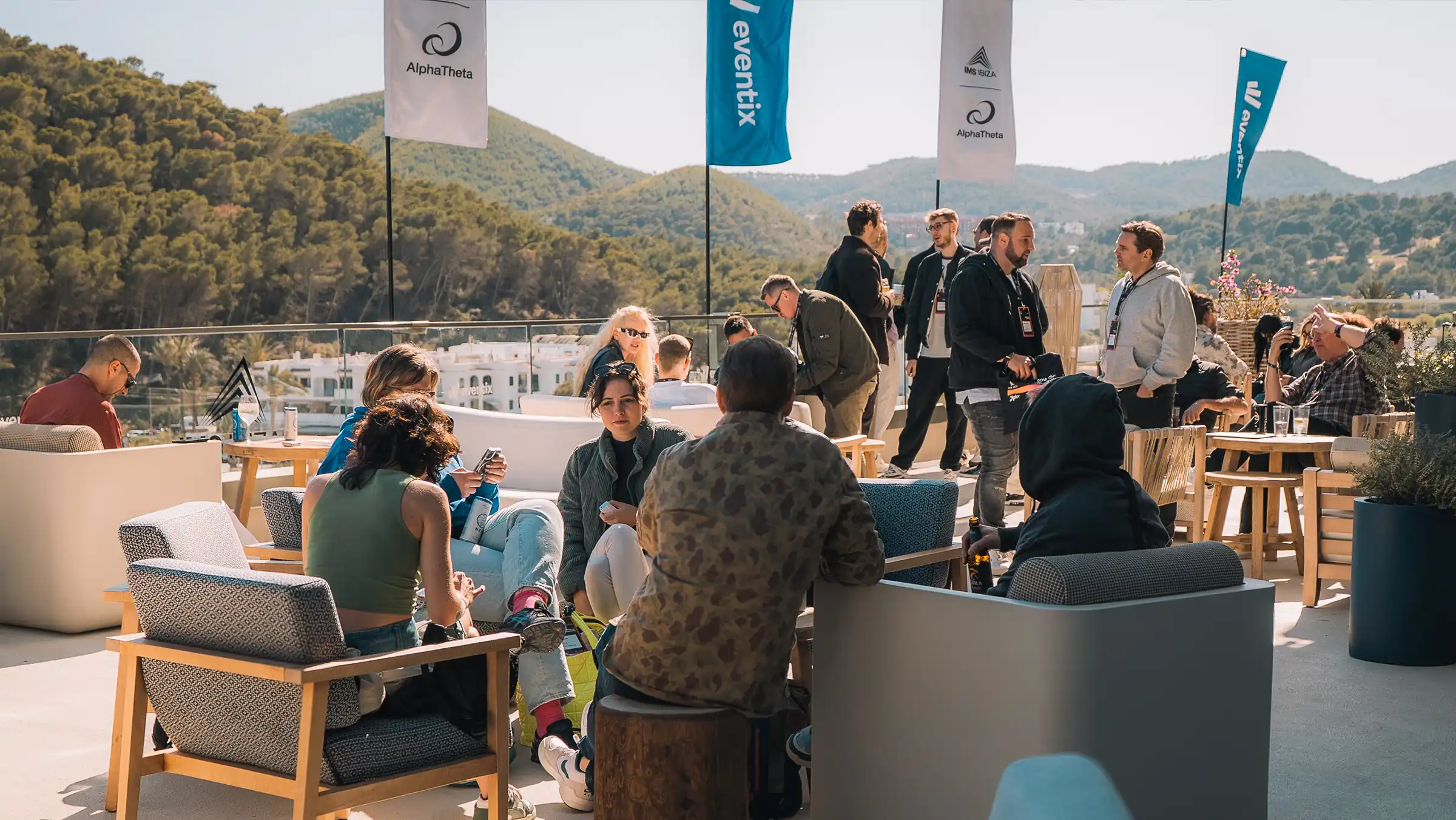
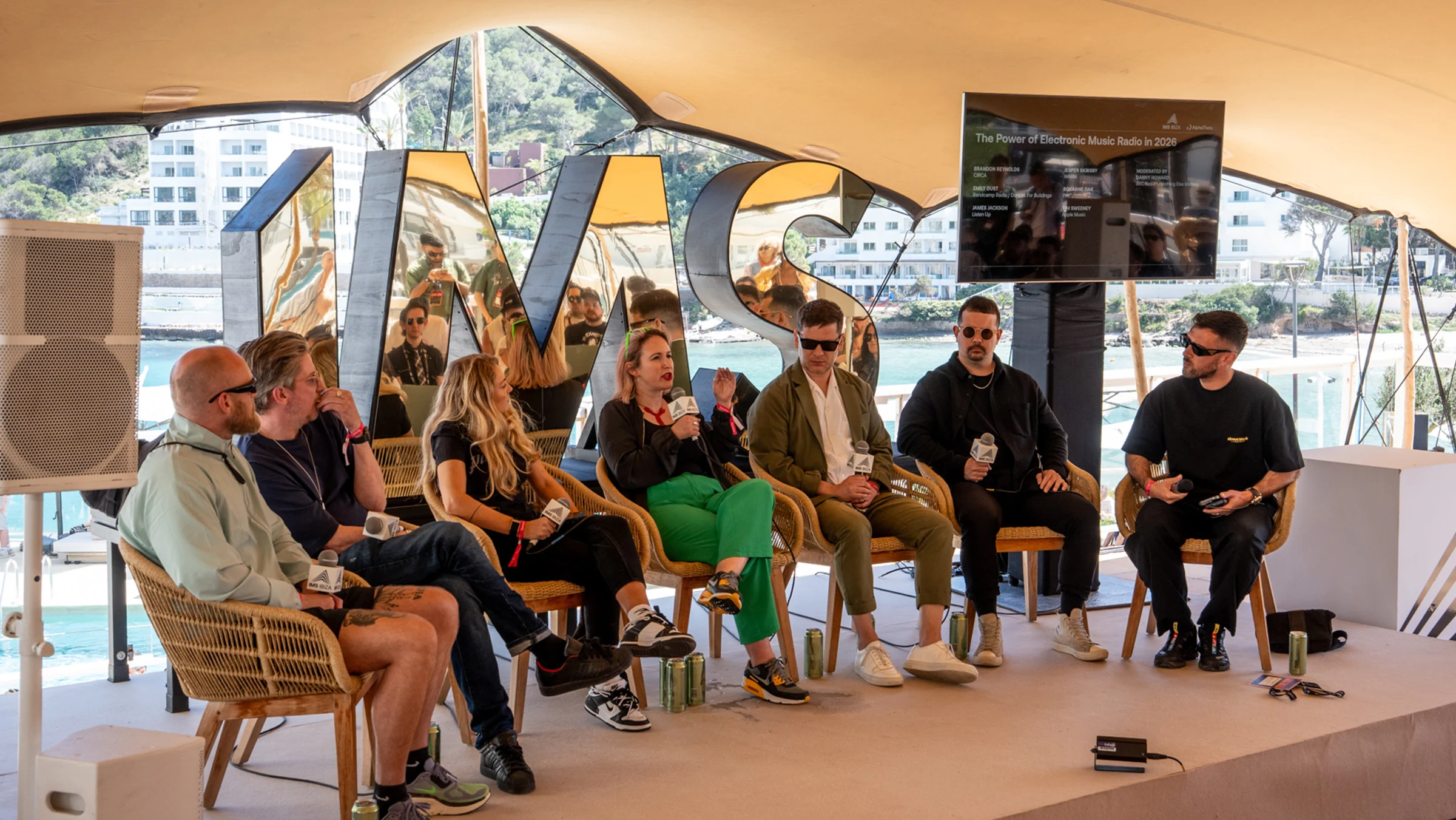
IMS 2026 Outdoor Stage during "The Power of Electronic Music Radio in 2026" keynote. Credits : Juan Sabatino

IMS 2026 Outdoor Stage during "The Power of Electronic Music Radio in 2026" keynote

IMS 2026 Outdoor Stage during "The Power of Electronic Music Radio in 2026" keynote. Credits : Juan Sabatino

IMS Ibiza 2026 Day 2: Between Acceleration and Disorientation

IMS Ibiza 2026 Day 2 explores AI’s impact on music, from authenticity and trust to structural challenges facing the industry.

0 min. read

By Alex Voss

Alex Voss

Archived Content

This article is part of BPM Magazine’s archives, preserved to document the evolution of electronic music culture. It may reflect the context, trends, and information available at the time of publication.

IMS Ibiza 2026 Day 2 explores AI’s impact on music, from authenticity and trust to structural challenges facing the industry.


The second day of IMS Ibiza 2026 unfolded with the same intensity that defines the summit: a dense programme moving from early morning wellness sessions to a succession of keynotes, panels and informal exchanges that extended well beyond the conference rooms. If Day 1 established the structural tensions shaping the industry, Day 2 made one theme unavoidable. Artificial intelligence is no longer approaching the music business—it is already embedded within it.

AI, Authenticity and the Question of Trust

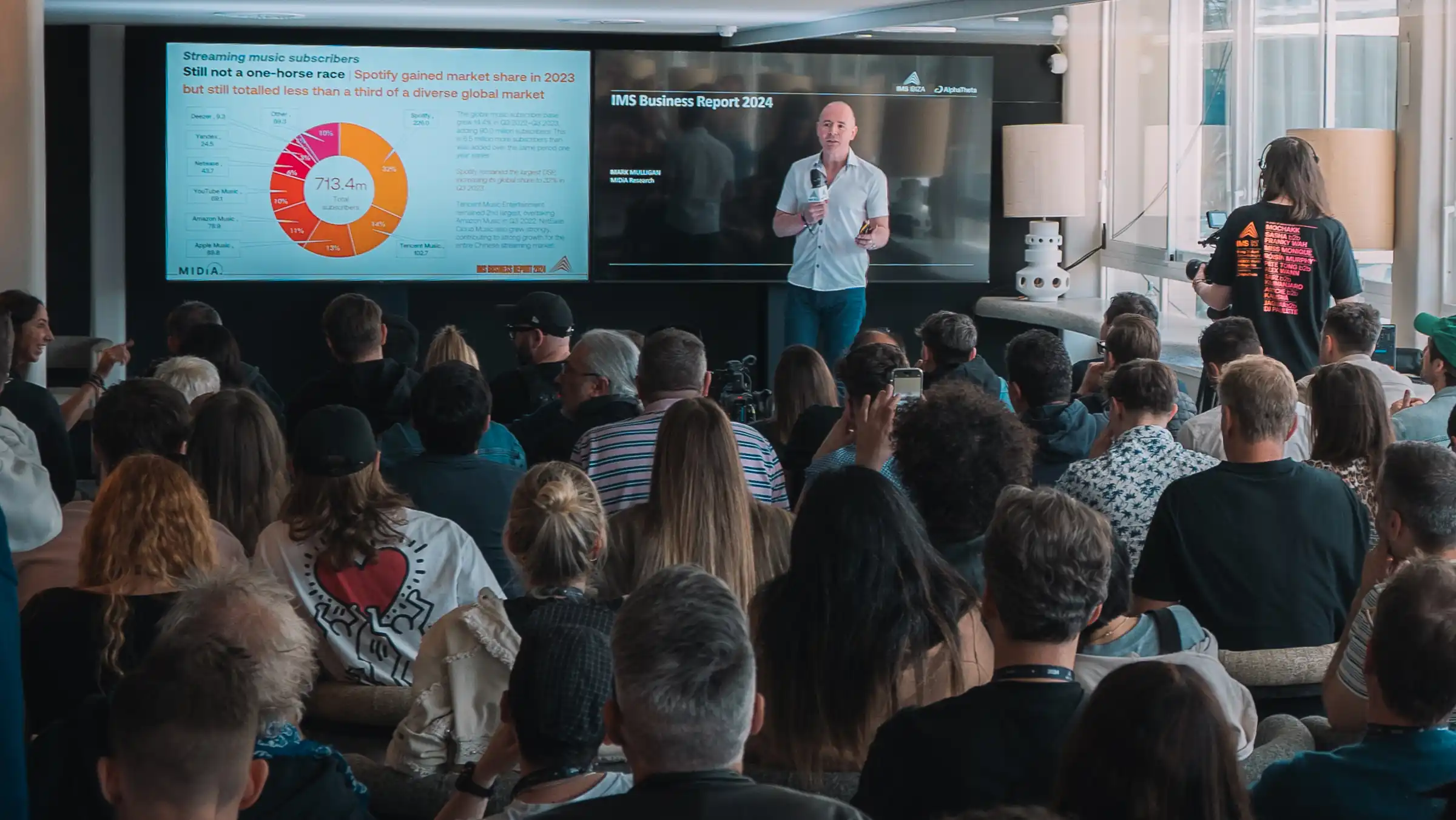
On the Summit Stage, Maria Garrido, Chief Marketing Officer at Deezer, opened the conversation with a statistic that immediately reframed the debate: more than 75,000 AI-generated tracks have already been uploaded to the platform. The scale is no longer theoretical. It is operational.

Her keynote, What Authenticity Means Today for Fans, addressed a shift that extends beyond technology. As synthetic content becomes indistinguishable from human creation, the issue is no longer simply about production tools, but about perception. “We’re in a bit of a situation shift,” she explained. “On one hand super curious, on the other we don’t know how to feel about it. And that comes down to trust.”

That tension—between fascination and uncertainty—ran through every subsequent discussion. AI is expanding creative possibilities while simultaneously destabilising long-standing notions of authorship, ownership and value.

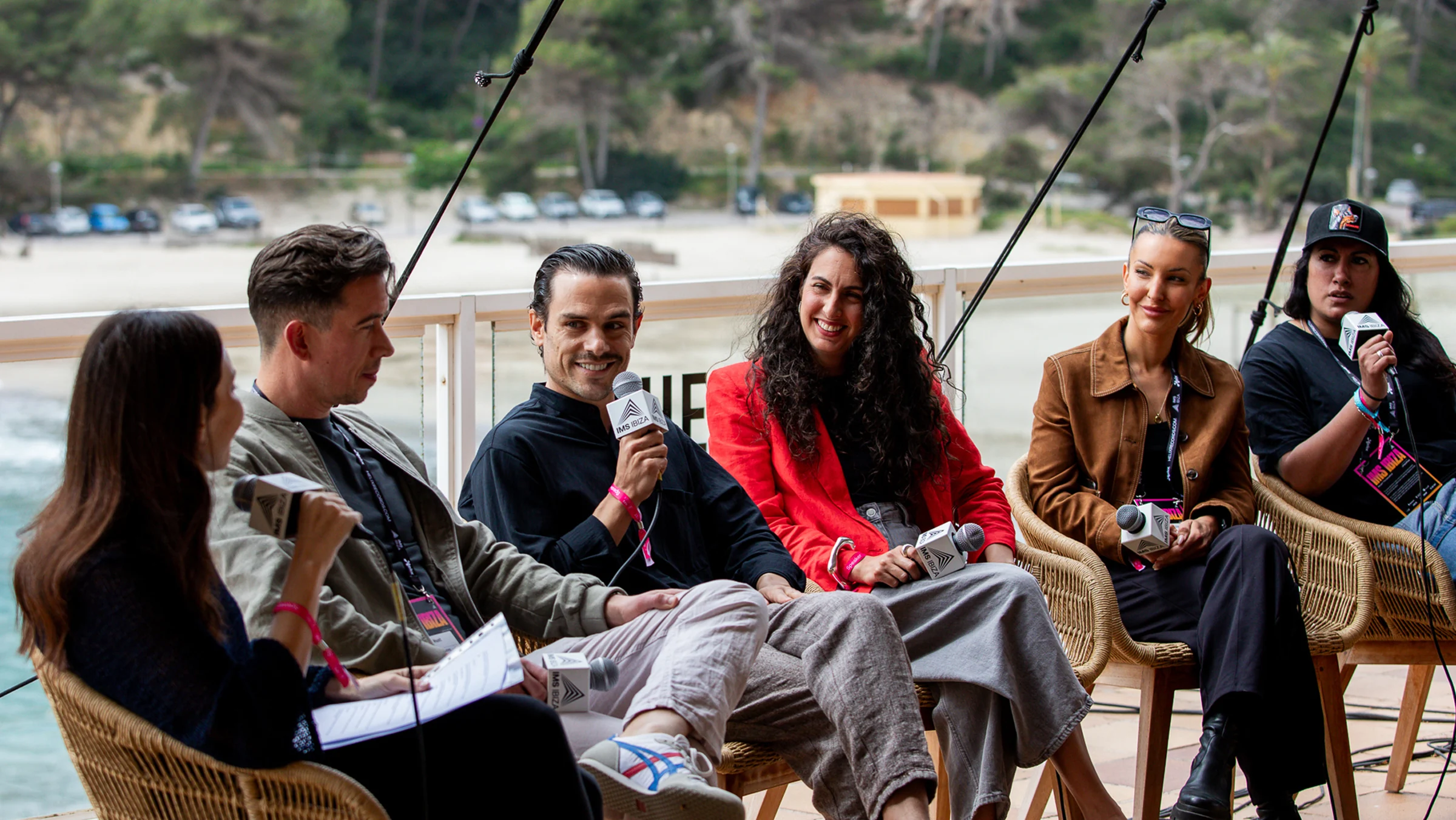
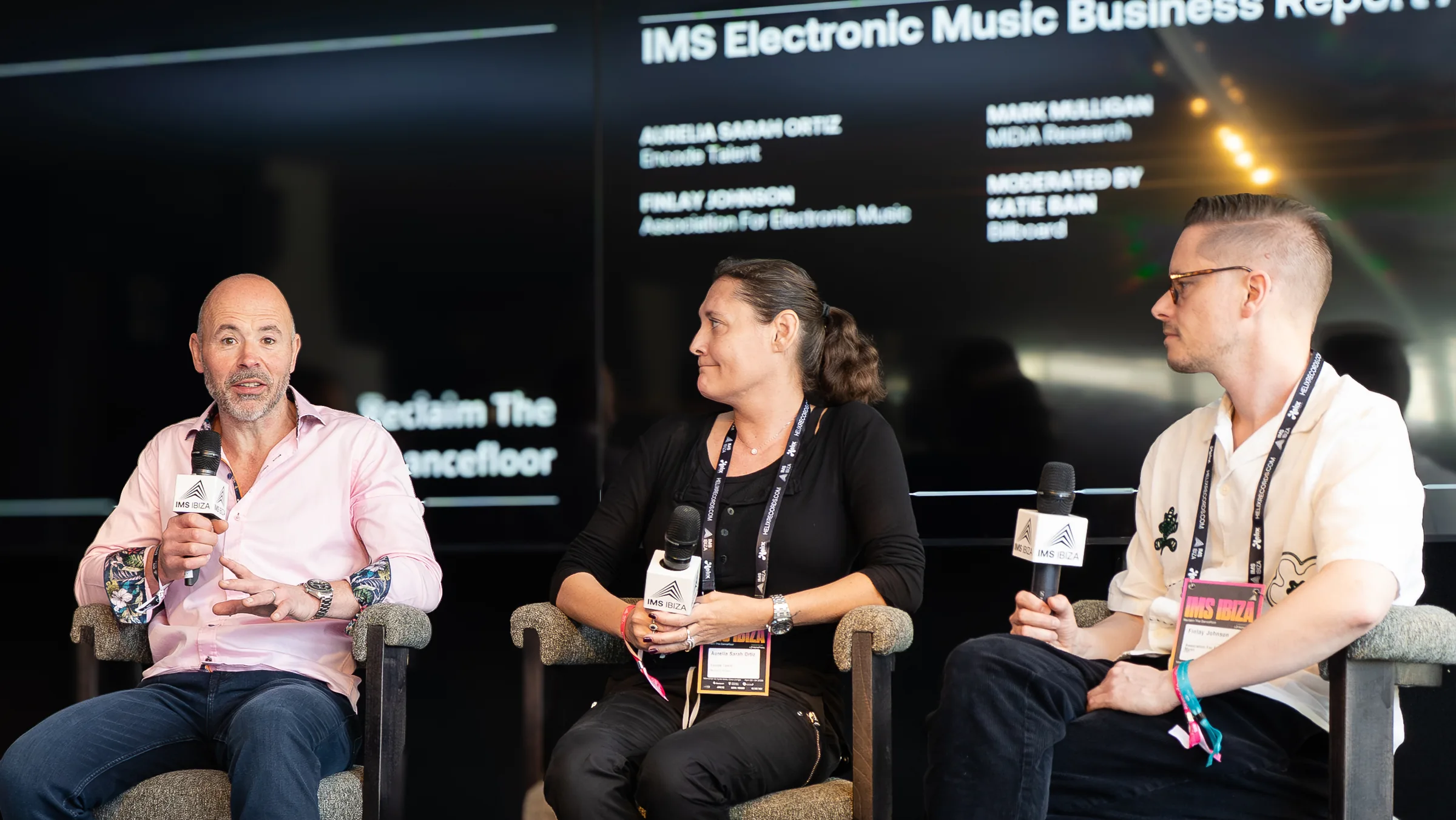
Panels featuring representatives from AFEM, Bandcamp, SACEM, Aimi and Hoare Associates explored these implications from multiple angles: legal frameworks, ethical boundaries, monetisation models. The conclusion was less a consensus than a shared acknowledgement of complexity. The industry is attempting to define rules for a system that is evolving faster than regulation can follow.

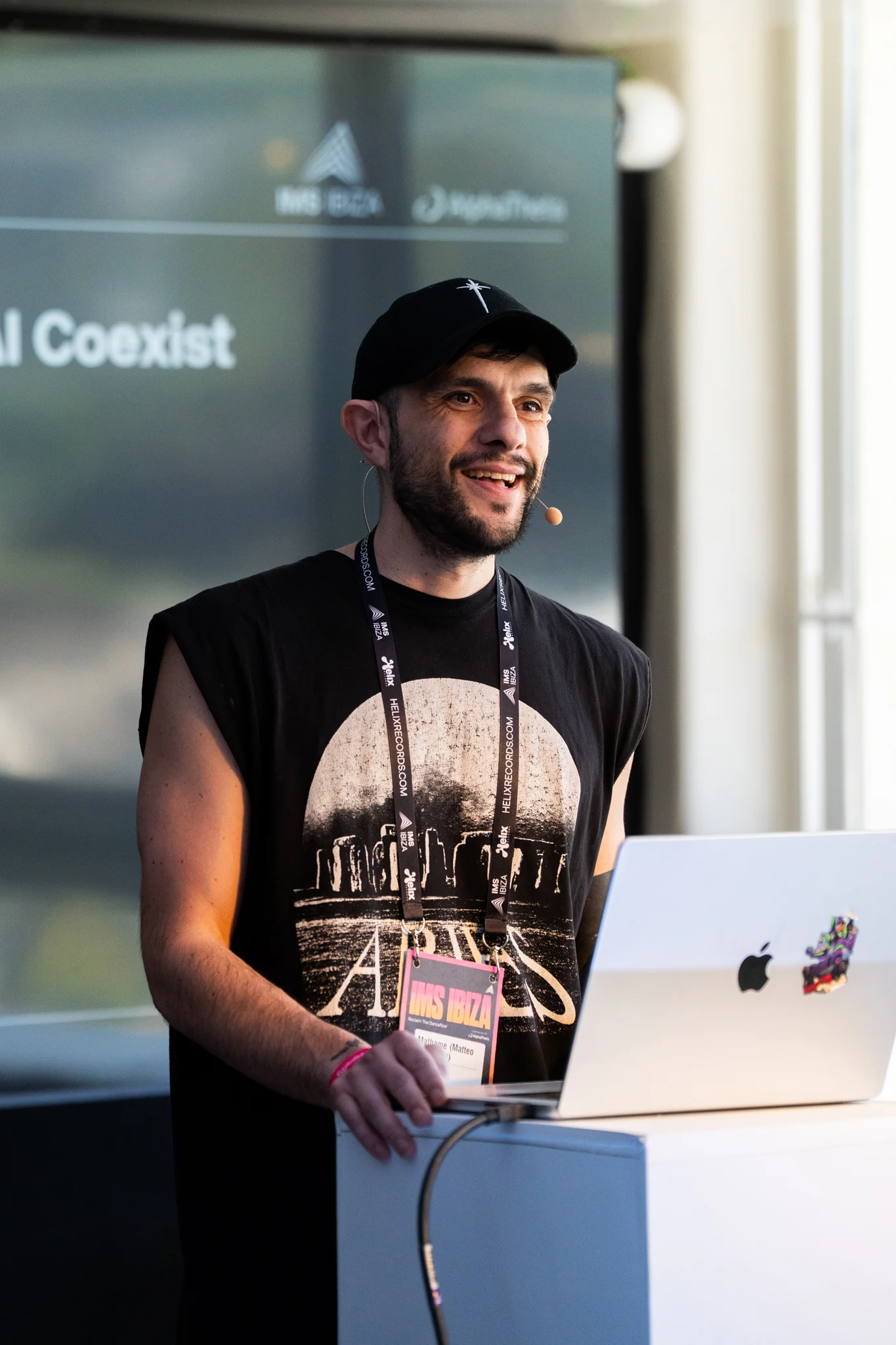
Italian DJ & Producer Matteo Giovanelli aka Mathame

Italian DJ & Producer Matteo Giovanelli aka Mathame speaking about NEO. Credits : Juan Sabatino

IMS Ibiza 2026 Day 2 explores AI’s impact on music, from authenticity and trust to structural challenges facing the industry.


The second day of IMS Ibiza 2026 unfolded with the same intensity that defines the summit: a dense programme moving from early morning wellness sessions to a succession of keynotes, panels and informal exchanges that extended well beyond the conference rooms. If Day 1 established the structural tensions shaping the industry, Day 2 made one theme unavoidable. Artificial intelligence is no longer approaching the music business—it is already embedded within it.

AI, Authenticity and the Question of Trust

On the Summit Stage, Maria Garrido, Chief Marketing Officer at Deezer, opened the conversation with a statistic that immediately reframed the debate: more than 75,000 AI-generated tracks have already been uploaded to the platform. The scale is no longer theoretical. It is operational.

Her keynote, What Authenticity Means Today for Fans, addressed a shift that extends beyond technology. As synthetic content becomes indistinguishable from human creation, the issue is no longer simply about production tools, but about perception. “We’re in a bit of a situation shift,” she explained. “On one hand super curious, on the other we don’t know how to feel about it. And that comes down to trust.”

That tension—between fascination and uncertainty—ran through every subsequent discussion. AI is expanding creative possibilities while simultaneously destabilising long-standing notions of authorship, ownership and value.

Panels featuring representatives from AFEM, Bandcamp, SACEM, Aimi and Hoare Associates explored these implications from multiple angles: legal frameworks, ethical boundaries, monetisation models. The conclusion was less a consensus than a shared acknowledgement of complexity. The industry is attempting to define rules for a system that is evolving faster than regulation can follow.

Italian DJ & Producer Matteo Giovanelli aka Mathame

Italian DJ & Producer Matteo Giovanelli aka Mathame speaking about NEO. Credits : Juan Sabatino

Structural Fragilities Beneath the Surface

What these conversations revealed, more than anything, is that AI is not the origin of the crisis—it is the amplifier. Existing weaknesses within the music ecosystem are being exposed at scale.

The lack of cooperation between certain neighbouring rights organisations, for instance, continues to generate massive financial losses for artists worldwide. In this context, the arrival of AI introduces not just new opportunities, but new risks. Without clear, enforceable infrastructures, the potential for exploitation increases exponentially.

It is within this framework that technologies such as blockchain are being reconsidered—not as speculative tools, but as possible safeguards for rights management in an increasingly complex digital environment. The urgency is evident: if the architecture is not secured, it risks being overtaken.

More broadly, the industry faces a familiar pattern. Like previous industrial revolutions, technological acceleration promises efficiency and innovation, but also displacement. Jobs will evolve, some will disappear, and new forms of value will emerge—but not without disruption.
Belgium DJ & Producer Samm (BE)

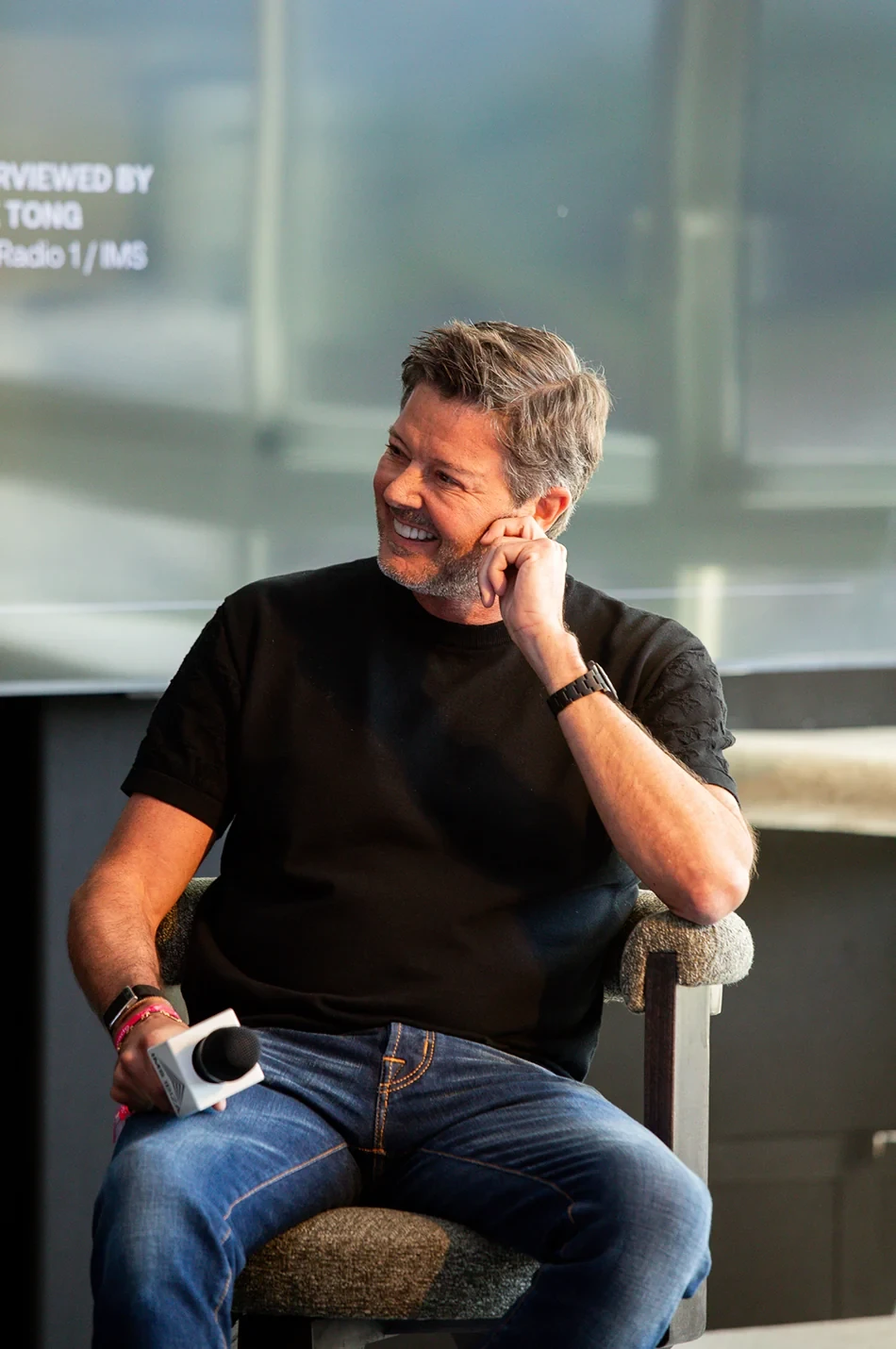
Armada Music CEO Maykel Piron. Credits : Blanca Galindo & David Simon

Structural Fragilities Beneath the Surface

What these conversations revealed, more than anything, is that AI is not the origin of the crisis—it is the amplifier. Existing weaknesses within the music ecosystem are being exposed at scale.

The lack of cooperation between certain neighbouring rights organisations, for instance, continues to generate massive financial losses for artists worldwide. In this context, the arrival of AI introduces not just new opportunities, but new risks. Without clear, enforceable infrastructures, the potential for exploitation increases exponentially.

It is within this framework that technologies such as blockchain are being reconsidered—not as speculative tools, but as possible safeguards for rights management in an increasingly complex digital environment. The urgency is evident: if the architecture is not secured, it risks being overtaken.

More broadly, the industry faces a familiar pattern. Like previous industrial revolutions, technological acceleration promises efficiency and innovation, but also displacement. Jobs will evolve, some will disappear, and new forms of value will emerge—but not without disruption.

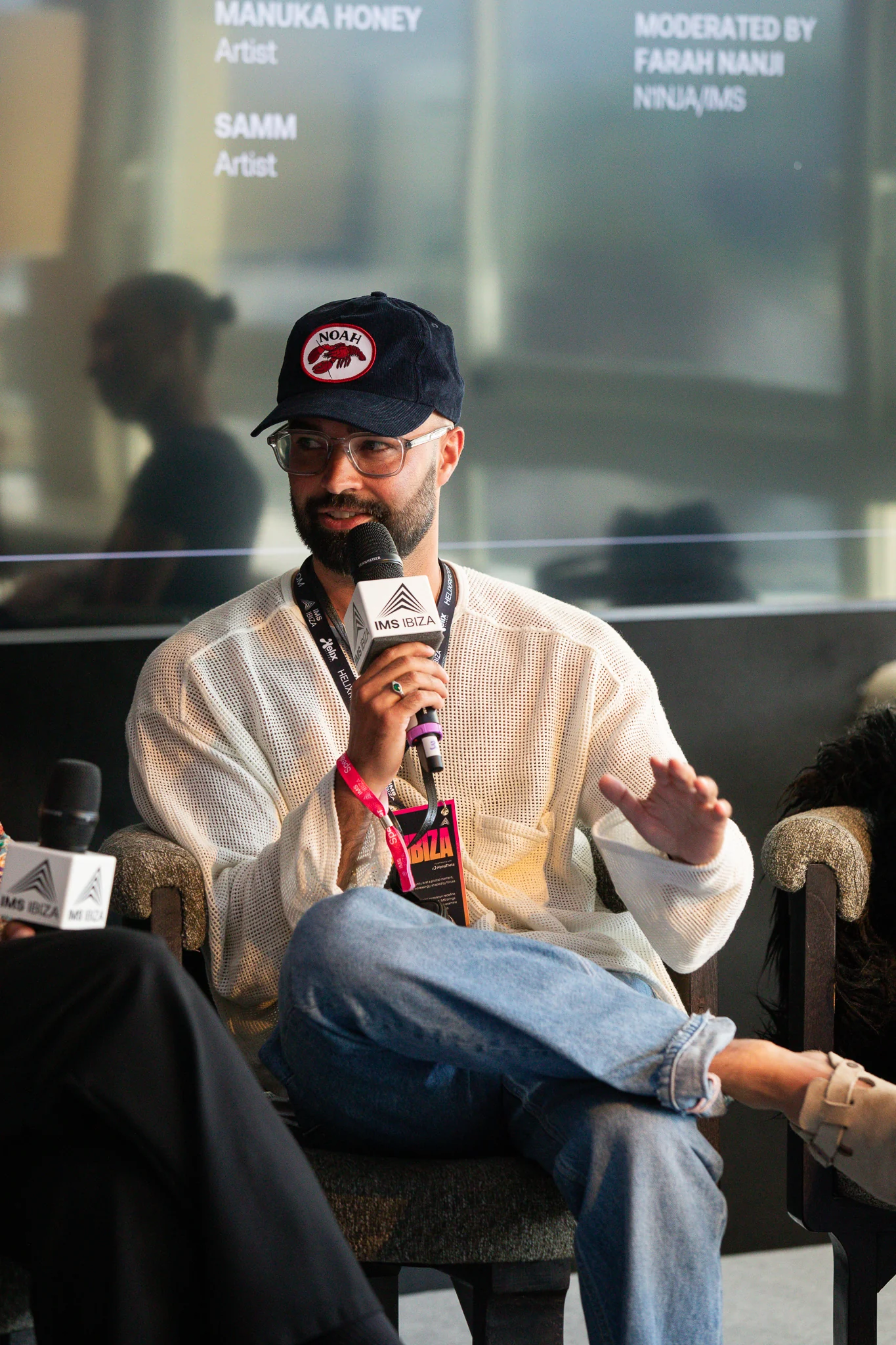
Belgium DJ & Producer Samm (BE)

Armada Music CEO Maykel Piron. Credits : Blanca Galindo & David Simon

Labels, Legacy and the Erosion of Cultural Identity

Later in the day, Pete Tong’s keynote conversation with Maykel Piron, co-founder of Armada Music, shifted the focus from technology to structure. If AI represents the future, Piron’s trajectory offers a lens on the past—and what may be fading.

The room itself was telling. Around 70% full, with a visible majority of attendees from Generation X, the session highlighted a generational disconnect. For many younger participants, Piron’s name—and the history he represents—remains largely unfamiliar. Yet the music produced and distributed by his label continues to define dancefloors worldwide.

The discussion traced Armada’s evolution, from its foundations to its current expansion strategy. One particularly revealing point concerned financial discipline: borrowing from banks imposed reporting structures that forced the label to professionalise. An observation that subtly raised a broader issue—the illusion of competence that can exist within parts of the industry, where titles do not always reflect transferable expertise.

Over 500,000 dance music tracks uploaded to Spotify every day

More striking, however, was the scale of output. Piron cited a figure that borders on saturation: over 500,000 dance music tracks uploaded to Spotify every day. Whether interpreted as a precise statistic or an indication of magnitude, the implication is clear. Visibility has become one of the industry’s central challenges.

In this environment, the traditional role of record labels—as curators, educators and cultural guides—appears increasingly diluted. Streaming platforms, driven by algorithms, have replaced editorial direction with automated discovery. Users are no longer guided through catalogues; they are fed content.

Even basic functions—such as exploring a label’s full body of work—remain limited on most platforms. The result is a system where music circulates widely, but context is progressively lost.

The jeopardy of Curation

The final panel of the day, Artists Defining Today’s Dancefloor, offered a more grounded perspective on how artists navigate this landscape. Its relatively low attendance echoed a recurring pattern across the summit: emerging talent often receives less attention than established narratives.

Yet the insights were among the most revealing. Belgian artist Samm, one of the breakout names of the past year, provided a reminder often overlooked in discussions of “overnight success”: his trajectory is the result of more than a decade of work.

He also highlighted a shift in how visibility is achieved. Traditional pathways—industry connections, marketing budgets—are no longer the only routes. Instead, exposure often comes from endorsement. Getting music played by established artists can act as a catalyst, triggering rapid escalation.

The trajectory of artists such as Alex Wann, and more recently Samm himself, illustrates this mechanism. Support from influential collectives like Keinemuzik can transform a track into a global reference point almost instantly. Conversations with agencies confirm the impact: booking requests can surge from near zero to multiple daily inquiries in a matter of weeks.

This model is fluid, immediate and, in many ways, democratic. But it is also fragile, dependent on moments rather than structures.

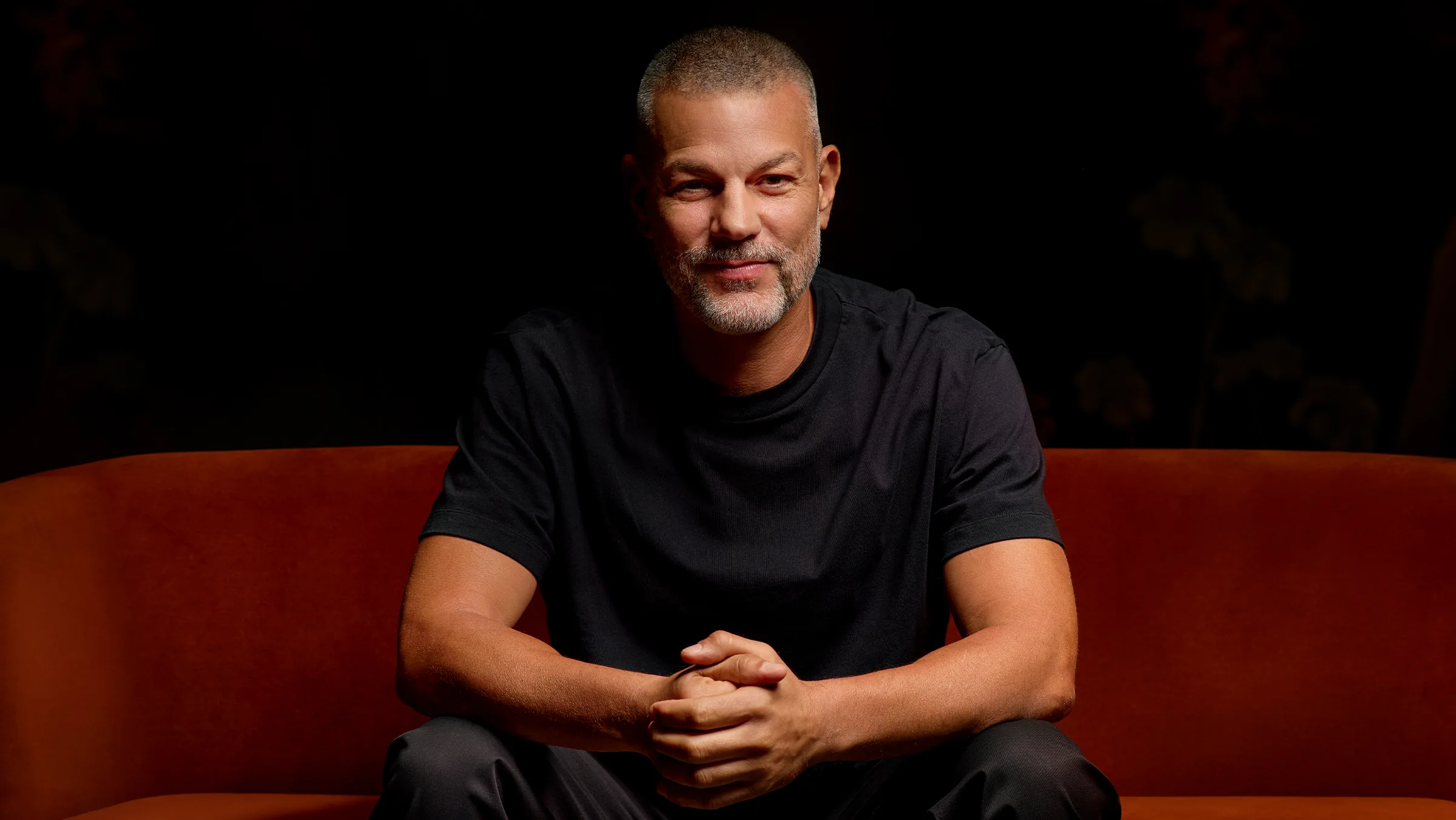
Armada Music CEO Maykel Piron

Belgium DJ & Producer Samm (BE). Credits : Blanca Galindo & David Simon

Conclusion: An Industry in Transition

Day 2 of IMS Ibiza 2026 does not offer resolution. It offers clarity.

Artificial intelligence is redefining the parameters of creation, ownership and authenticity. At the same time, it exposes long-standing structural weaknesses—from rights management to revenue distribution—that the industry has yet to fully address.

Parallel to this, the erosion of traditional cultural intermediaries—labels, curators, editorial ecosystems—raises deeper questions about identity. Music is more accessible than ever, but less contextualised. Discovery is constant, but rarely guided.

And yet, the dancefloor persists. Artists continue to emerge, audiences continue to gather, and moments of connection still define the experience.

What is changing is the framework around it.

Between acceleration and disorientation, electronic music is entering a phase where growth alone is no longer a measure of health. The challenge now is not simply to innovate, but to rebuild coherence—ensuring that as the system evolves, it does not lose the very structures that give it meaning.

Because if the industry no longer controls how value is created, distributed and understood, it risks becoming exactly what it once resisted: just another stream of content, moving endlessly, but going nowhere.

TAGS :

IBIZA SS26

IBIZA SS26

Events

Behind The Scenes

IMS Ibiza 2026, International Music Summit Ibiza 2026, Armada, Maykel Piron,
Labels, Legacy and the Erosion of Cultural Identity

Later in the day, Pete Tong’s keynote conversation with Maykel Piron, co-founder of Armada Music, shifted the focus from technology to structure. If AI represents the future, Piron’s trajectory offers a lens on the past—and what may be fading.

The room itself was telling. Around 70% full, with a visible majority of attendees from Generation X, the session highlighted a generational disconnect. For many younger participants, Piron’s name—and the history he represents—remains largely unfamiliar. Yet the music produced and distributed by his label continues to define dancefloors worldwide.

The discussion traced Armada’s evolution, from its foundations to its current expansion strategy. One particularly revealing point concerned financial discipline: borrowing from banks imposed reporting structures that forced the label to professionalise. An observation that subtly raised a broader issue—the illusion of competence that can exist within parts of the industry, where titles do not always reflect transferable expertise.

Over 500,000 dance music tracks uploaded to Spotify every day

More striking, however, was the scale of output. Piron cited a figure that borders on saturation: over 500,000 dance music tracks uploaded to Spotify every day. Whether interpreted as a precise statistic or an indication of magnitude, the implication is clear. Visibility has become one of the industry’s central challenges.

In this environment, the traditional role of record labels—as curators, educators and cultural guides—appears increasingly diluted. Streaming platforms, driven by algorithms, have replaced editorial direction with automated discovery. Users are no longer guided through catalogues; they are fed content.

Even basic functions—such as exploring a label’s full body of work—remain limited on most platforms. The result is a system where music circulates widely, but context is progressively lost.

The jeopardy of Curation

The final panel of the day, Artists Defining Today’s Dancefloor, offered a more grounded perspective on how artists navigate this landscape. Its relatively low attendance echoed a recurring pattern across the summit: emerging talent often receives less attention than established narratives.

Yet the insights were among the most revealing. Belgian artist Samm, one of the breakout names of the past year, provided a reminder often overlooked in discussions of “overnight success”: his trajectory is the result of more than a decade of work.

He also highlighted a shift in how visibility is achieved. Traditional pathways—industry connections, marketing budgets—are no longer the only routes. Instead, exposure often comes from endorsement. Getting music played by established artists can act as a catalyst, triggering rapid escalation.

The trajectory of artists such as Alex Wann, and more recently Samm himself, illustrates this mechanism. Support from influential collectives like Keinemuzik can transform a track into a global reference point almost instantly. Conversations with agencies confirm the impact: booking requests can surge from near zero to multiple daily inquiries in a matter of weeks.

This model is fluid, immediate and, in many ways, democratic. But it is also fragile, dependent on moments rather than structures.


Armada Music CEO Maykel Piron

Belgium DJ & Producer Samm (BE). Credits : Blanca Galindo & David Simon

Conclusion: An Industry in Transition

Day 2 of IMS Ibiza 2026 does not offer resolution. It offers clarity.

Artificial intelligence is redefining the parameters of creation, ownership and authenticity. At the same time, it exposes long-standing structural weaknesses—from rights management to revenue distribution—that the industry has yet to fully address.

Parallel to this, the erosion of traditional cultural intermediaries—labels, curators, editorial ecosystems—raises deeper questions about identity. Music is more accessible than ever, but less contextualised. Discovery is constant, but rarely guided.

And yet, the dancefloor persists. Artists continue to emerge, audiences continue to gather, and moments of connection still define the experience.

What is changing is the framework around it.

Between acceleration and disorientation, electronic music is entering a phase where growth alone is no longer a measure of health. The challenge now is not simply to innovate, but to rebuild coherence—ensuring that as the system evolves, it does not lose the very structures that give it meaning.

Because if the industry no longer controls how value is created, distributed and understood, it risks becoming exactly what it once resisted: just another stream of content, moving endlessly, but going nowhere.

TAGS :

IBIZA SS26

IMS Ibiza 2026, International Music Summit Ibiza 2026, Armada, Maykel Piron,
READ MORE

IMS Ibiza

IMS Ibiza 2026 Day 2: Between Acceleration and Disorientation

IMS Ibiza 2026 Day 2: Between Acceleration and Disorientation